Photography Blog
How to Pose Your Hands in Photos
Hands are often the part people feel most uncertain about during a photo shoot. A few basic principles can make your posture look much more natural and confident.
Do you feel uncertain about what to do with your hands when posing for photographs? You are not alone. As a portrait photographer, I see this all the time, but a few small adjustments can make your posture look much more natural and relaxed.
Here are three simple hand positions that both men and women can try. Think of them as useful starting points rather than strict poses you need to hold perfectly.
1. Put your hands in your pockets
This is one of the simplest ways to give your hands somewhere comfortable to rest without making your posture look stiff.
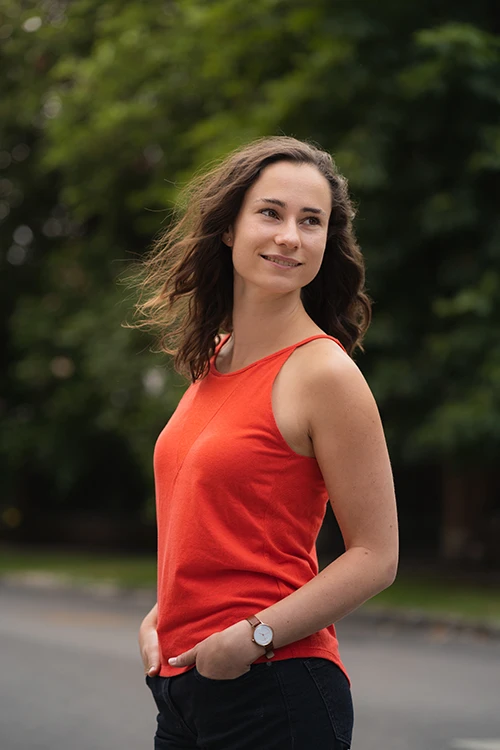
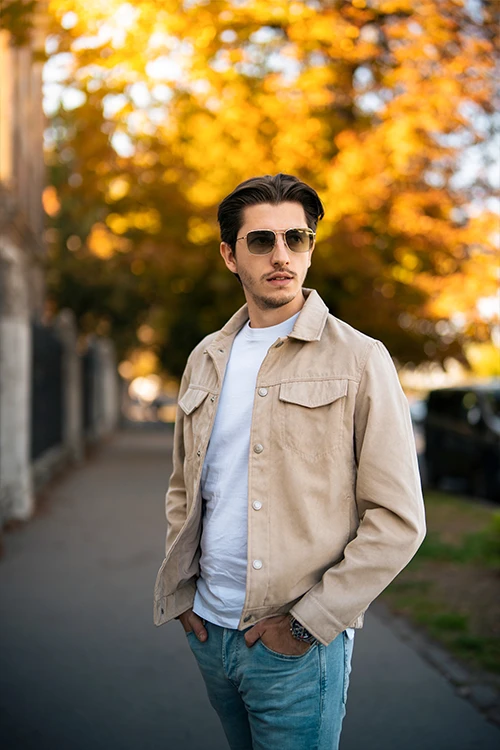
For men
Place one or both hands in your front pockets while leaving your thumbs outside. This creates a relaxed appearance while still giving the pose some structure.
Professional tip: Keep your shoulders relaxed and your posture natural. Let your hands rest in the pockets rather than pushing them in firmly, and look comfortably towards the camera or into the distance.
For women
Slide one hand lightly into a front pocket, leaving the thumb outside if that feels comfortable. When wearing a dress or skirt, you can create a similarly relaxed position by gently holding part of the fabric.
Professional tip: Keep the elbow slightly bent and turn your body at a small angle. This creates a softer and more dynamic shape than standing completely straight towards the camera.
2. Use a gentle touch
When you are unsure where to place your hands, lightly touching your face, hair or clothing can create a natural-looking movement without making the photograph feel heavily posed.
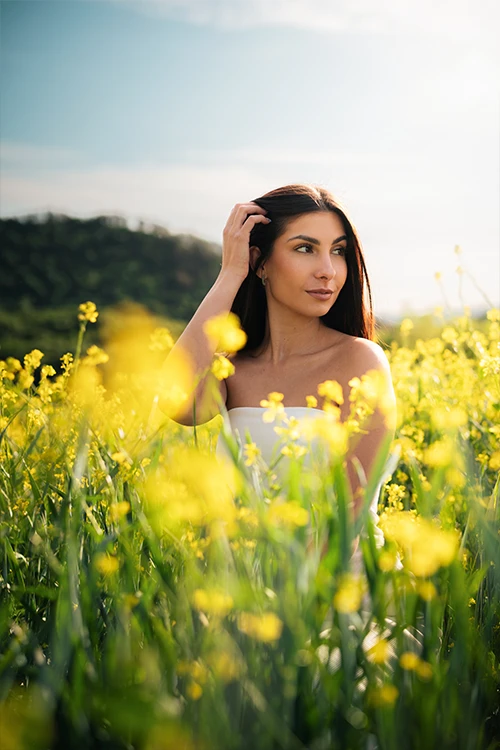
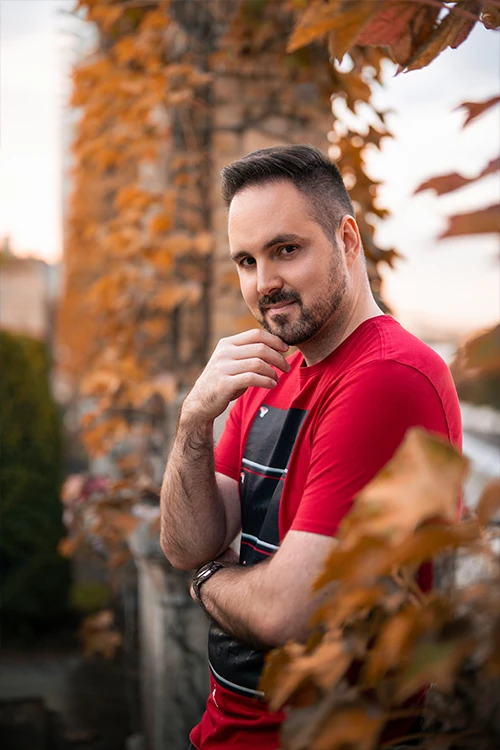
Lightly touch your chin or the side of your face as though you were adjusting your hair or pausing to think. You can also run your fingers through your hair, straighten part of your clothing or gently brush something from your shoulder.
Professional tip: Keep your fingers loose and soft. Avoid pressing the whole hand firmly against your face, as this can flatten the skin and make the position look tense.
An alternative for men
Placing one hand lightly beside the chin or jaw can create a thoughtful and composed appearance. This can also provide a more characterful alternative to the standard standing pose in professional or CV photographs.
Professional tip: Touch the side of your jaw gently with relaxed fingers and keep your facial expression natural. The hand should support the pose without becoming its main subject.
3. Cross your arms without becoming stiff
Crossed arms can sometimes appear closed or tense, but a few adjustments can make the position feel confident and relaxed.
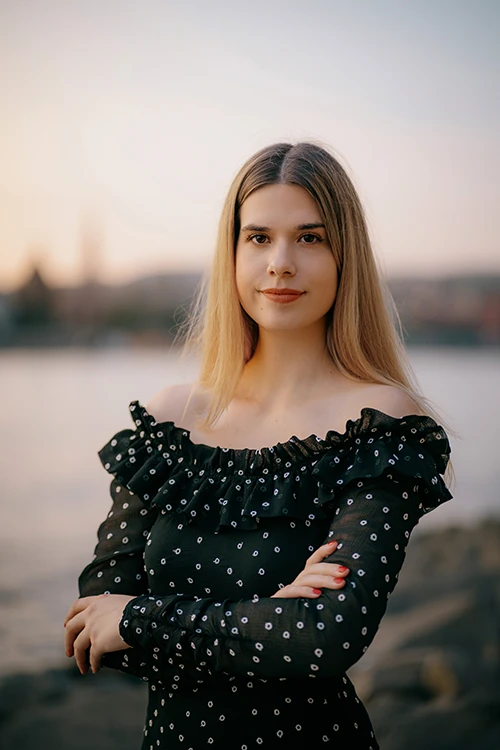
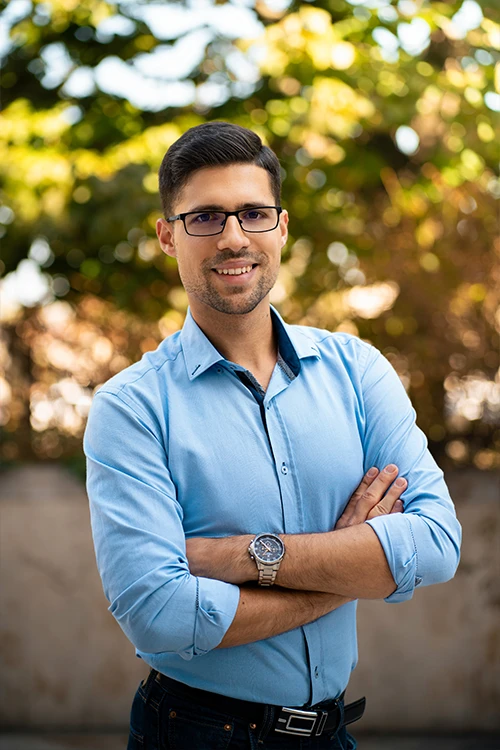
For men
Cross your arms at approximately chest height and lightly hold the opposite upper arm. Raise your shoulders, move them back and then allow them to drop naturally. This helps create a stronger posture without unnecessary tension.
Professional tip: Keep your arms at a comfortable height and avoid gripping them tightly with your fingers. Let the hands rest naturally. When you are wearing a watch, this position can also display it without forcing it towards the camera.
For women
Cross your arms loosely so the hands gently touch the upper arms or wrists. Keeping a little space between the arms and body will usually create a lighter and more open appearance.
Professional tip: Relax the elbows and fingers. When you want the pose to feel more confident, lean the upper body slightly towards the camera rather than moving away from it.
Final thoughts
Posing your hands does not need to feel awkward. These simple positions can help you feel more confident and look more relaxed in front of the camera, but they are only starting points. During a guided portrait session, the hand position is continually adjusted to your clothes, body position, movement and the atmosphere of the photograph.
You can practise these ideas in front of a mirror, but you do not need to memorise them before a photo shoot. A photographer should tell you what to do and help refine the small details while you are in front of the camera.
If you would like to see a more advanced collection of hand-position ideas, send me a message on Instagram. I would also be interested to hear whether this format was helpful.